Fulham Broadway rubbish removal guide for SW6 homes
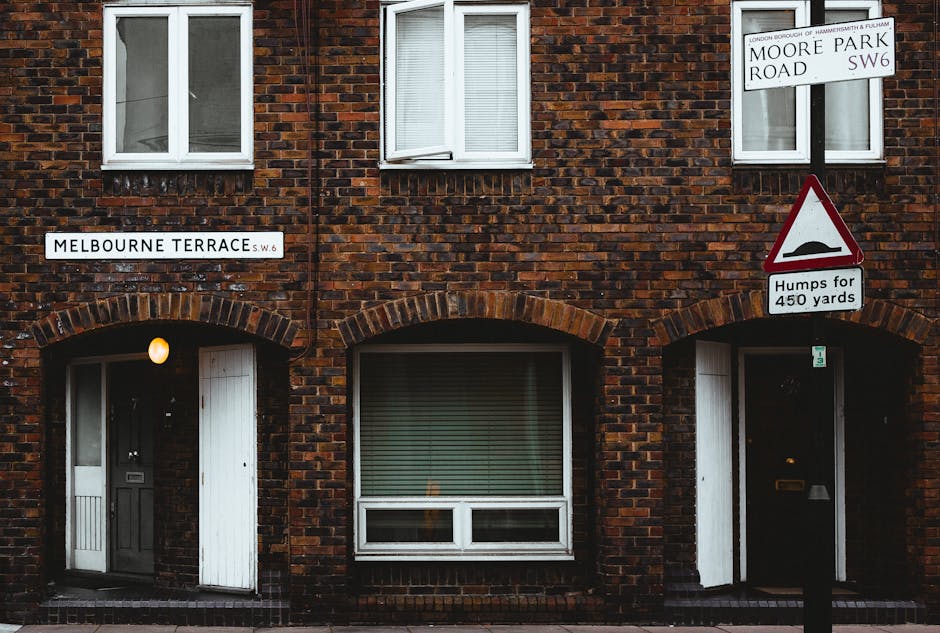
If you live near Fulham Broadway, rubbish has a way of building up faster than you expect. One week it's a broken wardrobe, a soggy mattress and a few boxes in the hallway; the next, the spare room feels like a storage unit you never meant to own. This Fulham Broadway rubbish removal guide for SW6 homes explains how to clear unwanted items quickly, safely, and without making the process harder than it needs to be.
Whether you're decluttering a flat, clearing a house after a move, dealing with builders' debris, or finally sorting the garden and loft, the right approach can save time, stress, and a fair bit of back-and-forth. You'll find a practical breakdown of how rubbish removal works, what to watch out for, how to choose the right method, and where homeowners and tenants in SW6 often trip themselves up. Let's make it simple.
Why Fulham Broadway rubbish removal matters for SW6 homes
In SW6, space is precious. That's the main reason rubbish removal matters here more than people sometimes admit. A small flat off Fulham Road, a family terrace, or a converted Victorian property can all run out of storage in a hurry. Put simply, clutter tends to spread. A chair waiting for repair turns into a hallway obstacle. One half-dismantled wardrobe becomes two trips around the same corridor. And then nobody wants to deal with it on a rainy Tuesday night.
Fulham Broadway rubbish removal is not just about convenience. It also helps with safety, hygiene, and day-to-day living. Old furniture can block exits. Heavy bags can strain your back. Damaged appliances can leak. Garden waste can attract pests if it sits too long. For busy households, especially those juggling work, children, or a move, a reliable clearance plan is one less headache. Honestly, that counts for a lot.
There's also a local practicality angle. In central and inner south-west London, access can be awkward. Parking is limited, stairwells are narrow, and not every building is friendly to bulky waste. So the best rubbish removal approach is often the one that fits the property, the item type, and the timing, rather than the one that sounds cheapest at first glance.
Expert summary: For SW6 homes, good rubbish removal is usually about matching the job to the space. The right method is the one that reduces handling, avoids access problems, and gets the waste sorted properly the first time.
How Fulham Broadway rubbish removal guide for SW6 homes works
At a basic level, rubbish removal follows a simple pattern: identify what needs to go, sort it, remove it, and make sure it ends up handled responsibly. The details matter though, because different waste streams need different treatment. A pile of mixed household clutter is not the same as old furniture, and neither is the same as builder waste or electrical items.
For many households, the process starts with a quick walk-through of the property. You check the loft, under-stairs cupboard, balcony, shed, utility area, and that one corner in the living room that somehow collects everything. Then you decide whether the waste is general rubbish, reusable furniture, appliances, garden debris, or something more specialist. If you have mattresses, sofas, white goods, or renovation debris, it helps to separate them early.
From there, collection can be organised in a few different ways. Some people prefer a full home clearance. Others only need a targeted furniture disposal or loft clearance. If the job includes damaged shelving, tables, or old wardrobes, a dedicated furniture clearance may be the cleanest route. If the clutter has spread into the garage, garden, or cellar, you may need a broader home clearance or garage clearance instead.
For homes with more complicated contents, a service like home clearance can be more efficient than trying to manage each item separately. Likewise, if you are only dealing with a few large items, furniture disposal may be enough. It really depends on the volume and the type of material, and yes, that part is a bit annoyingly obvious until you are actually standing in a room full of stuff.
Responsible removal also means thinking about recycling and disposal routes. Reusable items may be set aside for onward use. Some items can be broken down for materials recovery. Others need special handling, especially if they contain refrigerants, oils, batteries, or contaminated components. That is where a well-run rubbish removal process saves time and avoids mess. No one wants three half-full bags left behind and a vague promise to sort it later.
Key benefits and practical advantages
The obvious benefit is getting your space back. But there is a bit more to it than that. A proper rubbish removal service can reduce physical effort, lower the risk of injury, and save you the multiple trips to and from a tip or recycling point that can eat up half a Saturday. You know how it goes: one load becomes four, then it starts raining, and suddenly the whole afternoon has vanished.
For SW6 homes, the practical advantages are often about convenience and speed. Rather than waiting around for a skip permit, moving heavy waste yourself, or trying to coordinate a hire vehicle, you can get the work cleared in one organised visit. That matters when you live in a flat with stairs, tight entryways, or no easy loading bay.
There's also a trust and compliance benefit. If the waste is being handled by a proper operator, it should be processed in line with accepted waste management practices. That gives you peace of mind that items are being taken away lawfully and not dumped somewhere they should not be. Let's face it, nobody wants their old sofa ending up on a roadside on the other side of London with a connection back to them.
From an environmental point of view, rubbish removal can also be the more sensible choice when items can be segregated properly. Good sorting makes recycling and reuse easier. It also helps reduce the amount of waste going to final disposal. For households trying to be a bit more responsible without turning the weekend into a full-scale sorting mission, that's a real win.
- Saves time: fewer journeys, fewer decisions, less disruption.
- Reduces lifting: especially useful for bulky or awkward items.
- Fits local properties: helpful where access is tight or parking is limited.
- Supports recycling: items can be separated more effectively.
- Improves safety: clears trip hazards, blocked exits, and heavy clutter.
Who this is for and when it makes sense
This guide is useful for a few different people in SW6. First, homeowners tackling a long-overdue clear-out. Second, tenants preparing to move out, especially if the flat has accumulated a mix of old furniture, broken pieces, and random "we'll deal with that later" items. Third, landlords and letting agents who need a property emptied between tenancies. And fourth, anyone doing a renovation or mini-refurb who has a pile of packaging, broken fixtures, and builders' rubble piling up near the front door.
It also makes sense when the waste is physically awkward. A single chest of drawers might not sound like much, but if it has to come down two flights of stairs, turn through a narrow landing, and fit into a small service entrance, it suddenly becomes a proper job. Same with an old fridge, a sofa, or a mattress. Bulky items are rarely as simple as they look.
For some homes, a flat clearance is the natural fit, especially where the property is compact and access is limited. For others, a more complete house clearance may be the better option if several rooms are involved. If the rubbish sits in a loft, you may want a dedicated loft clearance rather than trying to move everything through the rest of the property twice.
In short, if the task is bigger than a few bin bags but smaller than a full building project, this kind of service is probably the sensible middle ground.
Step-by-step guidance
Here is a practical way to approach rubbish removal in Fulham Broadway and the wider SW6 area without overcomplicating things.
- Walk through the property slowly. Look in every room, cupboard, shed, loft, and storage area. People often forget at least one place. Usually the place with the heaviest thing.
- Separate the waste by type. Group furniture, general junk, electrical items, garden waste, and renovation debris. This makes collection and sorting much easier.
- Identify anything special. Fridges, freezers, TVs, paints, solvents, and other potentially risky items need extra care. If something looks awkward, treat it as awkward.
- Measure bulky items and check access. Stairs, door widths, lift access, and parking all matter. A quick measurement now can prevent a very annoying delay later.
- Decide which clearance method fits best. A few bulky items might suit furniture disposal. A mixed household clear-out may suit home clearance or flat clearance. Building debris is a different story and usually belongs with builders waste clearance.
- Ask about recycling and handling. If you want reusable or recyclable items separated, say so early. It's much easier before loading starts.
- Clear a path. Move smaller items out of the way so the team can lift larger items safely.
- Keep essentials aside. Be careful not to bundle keys, documents, chargers, medication, or sentimental items into the pile by mistake. That happens more than people like to admit.
If the property contains appliances, it is wise to flag them in advance. A service such as fridge and appliance removal is often the safest route for white goods, because these items can require more careful handling than standard household rubbish. For soft furnishings, mattress and sofa disposal is a practical option, especially when the items are too large for a normal bin collection and too awkward for a standard tip run.
Expert tips for better results
One of the best things you can do is start earlier than you think you need to. If you are moving house, for example, do not leave rubbish removal until the night before the handover. That is a recipe for stress, missing items, and a slightly frantic mood. Start with the things you know you no longer need, then work outward.
Another useful habit is to sort as you go, not after everything is stacked at the door. A mixed pile is harder to assess and more likely to include the wrong items. Separate cardboard, furniture, electricals, and general junk early. It takes a bit longer at the start, but it saves a lot of confusion later.
Be honest about access. If you have tight stairs, low ceilings, a difficult parking spot, or no lift, say so. That helps the team plan properly and avoids awkward surprises. In our experience, the jobs that go smoothly are rarely the flashiest ones. They're the ones where someone had the foresight to mention the awkward back gate or the basement door that sticks in wet weather.
If you are clearing items because you are renovating, keep an eye on what counts as builders' debris versus household rubbish. Broken tiles, plasterboard, timber offcuts, packaging, and fixtures may all need different handling. A dedicated builders waste clearance option can be much tidier than trying to mix everything together.
And one small but important thing: protect floors and walls before moving heavy items. Old cardboard, dust sheets, or even a folded blanket can stop scuffs on polished wood or painted corners. It is a tiny effort, but your future self will be grateful.
Common mistakes to avoid
A lot of rubbish removal problems come from underestimating what needs to go. People look at a room and think, "That's only a few bits." Then the pile grows once drawers are opened, cupboards are checked, and the things behind the sofa are finally brought into the light. Funny how that works.
One common mistake is mixing dangerous or specialist waste into general household rubbish. Paints, oils, chemicals, batteries, and some electrical waste need proper handling. If you are not sure, err on the side of caution and ask before putting them into a bag. If a load includes something unusual, a service like hazardous waste disposal may be the safer route.
Another mistake is forgetting about access. Narrow staircases in SW6, basement flats, shared hallways, and permit-sensitive streets can all make a simple-looking job more complicated. A little planning matters. So does making sure the path to the load is clear of shoes, plants, toys, and that one mysterious basket everyone keeps stepping over.
People also delay too long. If you wait until rubbish becomes embedded in daily life, the clear-out feels larger than it really is. The threshold moves. First you are ignoring one bag. Then the bag has been there three months. Then it is part of the scenery. Best not to let it get that far.
Finally, do not assume every item belongs in the same route. Furniture, loft clutter, appliance waste, and garden cuttings each have their own best method. Matching the service to the waste type saves money and reduces hassle. Simple, but easy to miss when you are in a rush.
Tools, resources and recommendations
You do not need specialist equipment for every clearance, but a few basic tools can make a big difference. Strong gloves, dust sheets, bin bags, tape, a marker pen, and a measuring tape are often enough to prepare most domestic clear-outs. A torch helps in lofts and storage cupboards, especially when daylight is poor and you are peering into corners full of old boxes and half-forgotten cables.
If you are deciding between methods, it can help to compare what you are removing. For example, what can go in a skip is useful if you are weighing up mixed renovation waste, whereas rubbish removal is often easier for homes with limited space, no driveway, or heavy items that need lifting from inside the property. The right answer depends on access, waste type, and how much handling you want to do yourself.
For households with lots of good-quality items that are simply no longer wanted, furniture clearance can be a smart choice because it keeps the job focused and avoids sending usable items into the wrong stream. If you are clearing a cluttered outbuilding, garage clearance is often the cleaner route, especially when tools, broken storage, and old household bits have all ended up in the same space.
And if you need a broader service for mixed contents, waste removal is a sensible starting point for understanding the general options before you commit. For pricing questions, it is usually wise to check pricing and quotes so you know what factors affect the final figure. That way the discussion stays clear and straightforward.
Law, compliance, standards and best practice
For domestic rubbish removal in London, the main thing is to use a service that handles waste responsibly and follows accepted UK waste management practice. You do not need to become an expert yourself, but you should know the basics. Waste should be transferred to an appropriate destination, not dumped illegally or mixed in a way that creates avoidable risks.
If you are clearing items from a home, especially after a move or refurbishment, it is best practice to separate reusable, recyclable, and non-recyclable material where possible. It is also sensible to treat electricals, appliances, and potentially hazardous items as separate categories rather than throwing everything into the same pile. That is not just tidier. It is safer.
For households storing personal papers or confidential material, a service such as confidential shredding may be relevant, particularly if old documents have been sitting in cupboards for years. And if you want to understand how a provider approaches safety, it is worth looking at its insurance and safety approach and its health and safety policy. Those pages help show whether the company takes handling, transport, and site work seriously.
For customers who care about the destination of their waste, recycling matters too. A good operator should be able to explain how it approaches material separation and recovery. You can read more about this in recycling and sustainability. No dramatic claims needed, just sensible practice and a clear process.
Options, methods and comparison table
There is no single best method for every SW6 home. It depends on access, volume, item type, and how much work you want to do yourself. The table below gives a straightforward comparison.
| Method | Best for | Pros | Watch out for |
|---|---|---|---|
| General rubbish removal | Mixed household waste and clutter | Fast, flexible, low fuss | Needs clear sorting if items are unusual |
| Flat clearance | Compact homes, flats, and maisonettes | Good for tight access and small spaces | Stairs and parking can affect timing |
| House clearance | Whole-property clear-outs | Useful for larger, multi-room jobs | Requires more planning and separation |
| Furniture disposal | Single bulky items or small furniture loads | Simple and efficient for sofas, tables, wardrobes | Check condition and access before collection |
| Builders waste clearance | Renovation debris, offcuts, packaging, rubble | Keeps refurb jobs under control | Not ideal for mixed household clutter |
| Garden clearance | Green waste, broken garden items, outdoor clutter | Handy after seasonal jobs or landscaping | Soil, treated timber, and mixed waste may need sorting |
If you are trying to decide between a broad clearance and a more specialised one, ask yourself one question: am I clearing the property, or just one zone of the property? That answer usually points you in the right direction. Not always, but often enough.
Case study or real-world example
Here is a realistic SW6 scenario. A family in a Fulham Broadway flat had a spare room that had become a holding area for an old sofa, two wardrobes, a broken desk, cardboard from a recent delivery, and a few appliances that had been waiting for "when we have time." Which, as everyone knows, is a dangerous phrase.
At first, they thought they only needed furniture disposal. But once they walked through the room properly, they realised the job also included old paperwork, loose cables, and items from the hallway cupboard. A flat clearance made more sense because the waste was spread across more than one area and access was tight. The team could plan around the stairs, separate the items that needed special handling, and clear the room in one go.
The biggest relief for the household was not just the empty space. It was the sense that the room had stopped being a problem. That sounds small, but when you live in London and every square foot matters, a cleared room can feel like a proper reset. The air changes a bit. The place breathes easier. Bit dramatic maybe, but true.
Practical checklist
Use this checklist before arranging rubbish removal for a Fulham Broadway or SW6 home.
- Walk through every room, loft, cupboard, balcony, and storage space.
- Separate furniture, general rubbish, appliances, and garden waste.
- Identify anything fragile, sharp, heavy, or potentially hazardous.
- Check access routes, stairs, lifts, and parking constraints.
- Measure oversized items before collection day.
- Set aside documents, valuables, keys, chargers, and medication.
- Protect floors and corners if bulky items need moving through the property.
- Decide whether you need flat clearance, house clearance, furniture disposal, or a more targeted service.
- Ask about recycling, reuse, and any special handling requirements.
- Keep the route from the item to the exit as clear as possible.
Quick takeaway: the smoother the preparation, the quicker the removal. A little sorting up front usually saves a lot of stress later. A very London lesson, really.
Conclusion
Fulham Broadway rubbish removal for SW6 homes is really about making a practical decision that fits your space, your schedule, and the kind of waste you need to clear. For some homes, that means a quick furniture disposal. For others, it means a fuller house clearance or flat clearance because the clutter has spread further than expected. Either way, the right approach should make life easier, not more complicated.
If you remember only one thing, let it be this: sort the waste, check the access, and choose the method that matches the job. That simple bit of planning can save time, reduce stress, and keep the whole process tidy from start to finish. And once the space is clear, you really do notice it. The room feels calmer. The home feels lighter. It's a good feeling.
Get a free quote today and see how much you can save.
Frequently Asked Questions
What is the best rubbish removal option for a flat near Fulham Broadway?
For most flats, a flat clearance or general waste removal service is the most practical option because it handles access issues better than doing it yourself. If the job is mainly bulky items, furniture disposal may be enough.
Can I combine furniture, appliances, and general junk in one collection?
Often yes, but it helps to mention the item types in advance. Mixed loads are common, though appliances and anything unusual may need separate handling or extra care.
How do I know whether I need house clearance or rubbish removal?
If you are clearing several rooms or the whole property, house clearance usually fits better. If you only have a few items or a single pile of clutter, rubbish removal is often the simpler choice.
Is it better to clear a loft in one go?
Usually yes, especially if the loft has been used for long-term storage. A dedicated loft clearance is generally more efficient than dragging items out bit by bit over several weekends.
What should I do with an old fridge or freezer?
Do not put it out with general household rubbish. Fridges and freezers often need specialist handling, so fridge and appliance removal is the safer route.
Can a rubbish removal team take garden waste from SW6 homes?
Yes, garden clearance is commonly used for green waste, broken outdoor furniture, plant pots, and similar items. If the pile includes soil or treated timber, it is best to mention that early.
What if my rubbish includes broken furniture?
That is very common. Furniture clearance or furniture disposal is designed for exactly that sort of job, especially when the items are too awkward to move on your own.
Do I need to sort everything before the team arrives?
You do not need to sort everything perfectly, but some basic separation helps a lot. Keeping furniture, recyclables, and any special items apart makes the collection smoother.
How can I reduce the cost of rubbish removal?
The easiest way is to be organised. Clear access, separate items sensibly, and avoid mixing in things that need specialist handling unless necessary. You can also check pricing and quotes ahead of time so there are no surprises.
Is it safe to move heavy rubbish myself?
Not always. Heavy wardrobes, appliances, and mattresses can cause strain or damage to walls and floors. If there is any doubt, let the load be handled professionally rather than forcing it.
What happens to the rubbish after collection?
It depends on the material. Some items may be reused, some recycled, and some disposed of through appropriate waste channels. A responsible provider should be able to explain its process in plain English.
How far in advance should I book rubbish removal in Fulham Broadway?
If you have a deadline, book as early as you can. For ordinary clear-outs, a short lead time may be fine. For moves, refurbishments, or larger jobs, leaving a bit of breathing room is always wise.