Health & Safety Policy for Commercial Waste Services
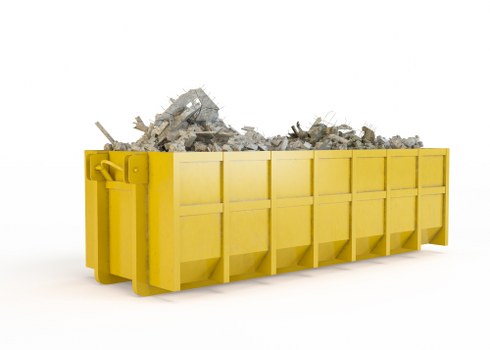 This document states the Health and Safety policy that governs our commercial waste removal operations. It is designed to protect employees, contractors, customers and the public while ensuring consistent, compliant rubbish collection and disposal across our service area. The policy applies to all aspects of the business that relate to handling, transporting and disposing of commercial refuse and recyclable materials operated by our rubbish company and affiliated teams.
Our aims are to prevent workplace injuries, reduce environmental risk and ensure that every site visit is performed in a way that is safe, lawful and respectful of local considerations. Scope: this policy covers site assessments, vehicle loading and unloading procedures, segregation of waste streams, sharps and hazardous materials management, and emergency response arrangements. It also outlines responsibilities for supervisors, drivers and waste operatives.
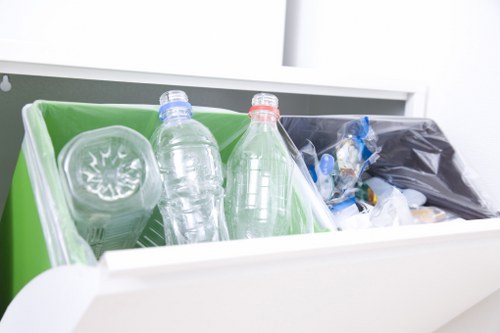 The policy recognises the specific risks associated with a commercial waste company operating within an urban service area. These include manual handling, vehicle movement, interaction with the public, slip/trip hazards on customer premises and potential exposure to biohazards or hazardous substances. Risk assessments are conducted prior to new contracts and reviewed periodically. Where appropriate, we adopt a hierarchy of controls: elimination, substitution, engineering controls, administrative controls and personal protective equipment.
Responsibilities, Safe Systems and Waste Handling
Management commits to providing adequate resources to implement this policy. Managers will ensure that risk assessments are current, that staff receive appropriate training and that vehicles and equipment are maintained. Supervisors are responsible for monitoring compliance on the ground and for reporting near-misses and incidents promptly. Employees are expected to follow procedures, use PPE and report hazards without delay.
 Operational controls include clear segregation of commercial waste streams (general refuse, recyclable materials, organic waste and designated hazardous waste), safe lifting techniques, secure containment during transport and use of mechanical aids where possible. Our rubbish collection processes are documented and include pre-shift vehicle checks, route-specific briefings, and procedures for safe access to customer premises to limit interaction risks with members of the public and site staff.
We maintain an inventory of hazardous materials that may be encountered in the course of commercial waste collection and ensure that handling is only carried out by trained personnel with the correct permits. Incident reporting is mandatory: all injuries, exposures or property damage must be logged, investigated and used to improve safe working practices. The policy also describes clear reporting lines for occupational health concerns and arrangements for medical support following exposure incidents.
Training, Monitoring and Continuous Improvement
Training is a core element of our approach. All waste operatives and drivers receive induction training focused on manual handling, vehicle safety, waste segregation and biological risk control. Refresher training is scheduled at regular intervals and whenever procedures change. We deliver targeted competency assessments, toolbox talks and documented practical demonstrations to ensure that staff can carry out duties in a safe, consistent manner.
 Monitoring includes routine audits, random spot checks and performance metrics that cover accident rates, near-miss frequency and compliance with waste transfer documentation. We set measurable objectives and targets for safety performance and review these quarterly. A culture of openness encourages staff to propose practical improvements to operating methods or equipment that reduce risk.
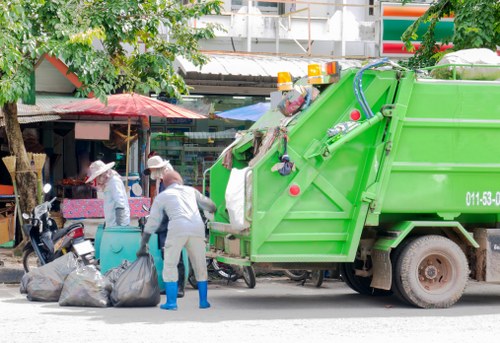 Emergency preparedness is addressed through clearly defined procedures for spills, fire, vehicle collisions and hazardous material exposure. Emergency contact protocols, spill kits on vehicles and nominated first-aiders are core elements of response planning. Regular drills and scenario testing are conducted to ensure that teams can respond quickly and effectively. The policy also commits to periodic review to remain aligned with statutory obligations, industry best practice and changes to the local waste management environment.
Key actions required under this policy include:
- Conduct and maintain written risk assessments for all routine tasks and novel operations.
- Provide and enforce the use of appropriate PPE, including gloves, hi-vis clothing, respiratory protection when required and footwear suitable for the operational environment.
- Maintain vehicles and mechanical aids to prevent failures that could lead to injuries or environmental releases.
- Record and investigate all incidents and implement corrective actions in a timely manner.
- Ensure staff competence through structured training and ongoing assessment.
Compliance with this policy is mandatory for everyone working on behalf of the company. Management will review this policy annually or when operational changes, incidents, or new legal requirements indicate that an update is necessary. By following these measures, our commercial waste operations — including rubbish collection, skip services and scheduled waste removal across the service area — aim to protect people, property and the environment while delivering reliable waste services.
