Commercial Waste in Fulham
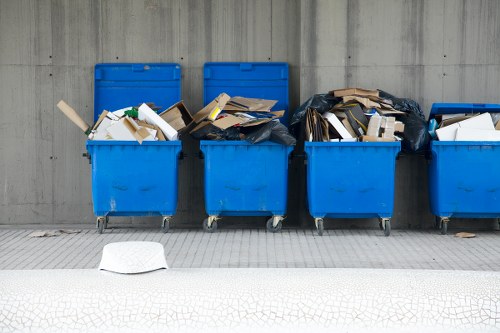
Commercial waste in Fulham needs a dependable service that keeps premises moving while handling rubbish in a structured, compliant way. We provide collections for businesses that generate mixed workplace waste, including office contents, retail packaging, general rubbish and other non-hazardous materials accepted for removal. The aim is straightforward: clear waste responsibly, separate suitable items for recycling where possible, and leave your site ready for normal use again.
Our service is built around commercial collections rather than ad hoc clear-outs. That means we can support offices, shops, hospitality premises, managed buildings and other workplaces that need waste taken away without interrupting day-to-day activity. If you need a regular arrangement or a one-off removal, it is sensible to plan the waste type, access and volume before you ask for a quotation. Two or three clear details are usually enough to help shape the right service.
If you are ready to compare options, use the page links below to look at related services and then request a quotation when you have the basics to hand.
Business Waste Removal for Everyday Operations
Business waste removal is the core service for many customers who need rubbish cleared from working premises without creating extra disruption. We can help with bags of general office waste, broken non-electrical fittings, packaging, paper, cardboard and mixed items from day-to-day activity. The collection is arranged to suit the load rather than forcing the business to adapt to a fixed skip or storage setup, which can be useful where space is limited or access changes through the day.
For offices and shared workspaces, the practical challenge is often not the waste itself but the way it accumulates. Desks may be replaced, storage areas can fill up, and communal bins may no longer cope. A planned collection can prevent waste from building into corridors, reception areas or service yards. If you want to keep your disposal route tidy and predictable, choosing the right collection point and grouping similar materials together makes the process simpler.
What can usually be included
Within a typical commercial clearance, customers often ask for a mixture of items rather than a single waste stream. That can include office chairs, filing materials, packaging, shelving components, small furniture and assorted loose rubbish. When items are separated in advance, useful materials can be identified more easily and the load can be handled more efficiently. For example:
- mixed office rubbish and bagged waste
- cardboard, paper and packaging
- light furniture and storage units
- non-hazardous clearance from back-of-house areas
Office Clearance and Workspace Reorganisation

An office clearance is often needed when a room is being reconfigured, equipment is being updated or a business is moving out of part of a building. The service can cover desks, chairs, storage units, paperwork for secure destruction where arranged separately, and general waste left behind after a tidy-up. We can also remove redundant items from meeting rooms, break areas and archive spaces when they no longer serve the office layout.
Because office waste is not always purely rubbish, it helps to think about what should be kept, what should be recycled and what should be removed. A careful approach avoids sending reusable or essential items away by mistake. Where commercial furniture is involved, clear identification of the items to be taken is more useful than a vague list, especially if the same room contains both working equipment and surplus material. That makes quotation and collection planning more efficient.
Office clearance can be the right route when the waste is tied to a workplace move, refurb or reorganisation. If the project also includes cabinets, desks or chairs that are no longer required, it may be helpful to look at the furniture pages as well so the full load can be handled in one planned visit.
Furniture, Fixtures and Larger Items
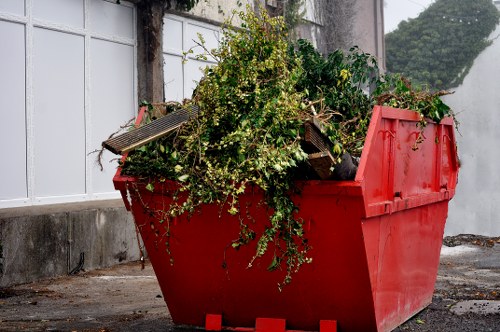
Commercial premises often build up more bulky waste than they expect. A reception area may need old seating taken away, staff rooms can hold worn tables and cupboards, and storage rooms can contain damaged or obsolete fixtures. We provide removal for larger items that are no longer needed, helping businesses avoid leaving heavy objects in circulation spaces or service areas.
Furniture disposal and clearance work is easiest when the items are grouped by type. That helps distinguish reusable office furniture from broken or waste-bound items, and it also helps avoid confusion where one premises contains both fittings and loose rubbish. If the work involves sofas, mattresses or specialised household-style items in commercial accommodation, those can require a more specific approach than standard office waste, so it is useful to note them early.
For customers comparing options, furniture clearance is a practical page to review when the main task is taking away chairs, desks, shelving or similar items. Where the pieces are beyond reuse and need to be broken down for disposal, the related furniture disposal page may also be useful for understanding the scope of the service.
Retail, Hospitality and Shared Premises
Businesses in mixed-use buildings or busy high street locations often need waste removed with attention to access, storage and timing. Retail back rooms can fill with cardboard, damaged display items and packaging; hospitality spaces may generate bagged rubbish, worn service items and occasional bulky clearances. Shared premises can also have awkward routes, loading restrictions or narrow internal access, which makes a flexible collection more practical than trying to manage everything in-house.
When the collection is for a mixed-activity site, it is useful to separate the load into practical categories before the visit. A simple way to think about it is: what is bulky, what is loose, and what should stay on site? That is often enough for a meaningful quotation conversation. If you are preparing for a collection, keep the two most useful details together: the approximate volume and the point where the waste can be reached.
For more information about the business approach to clearances and removals, about us gives a general overview, while the contact us page is the right place to make a direct enquiry once you know what needs taking away.
Clearance of Household-Style Waste from Commercial Sites
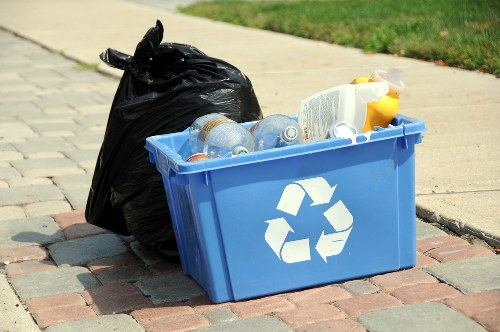
Not all commercial waste comes from desks and shop counters. Some premises also generate household-style items from staff rooms, rental units, managed accommodation or mixed-use buildings. That can include bedroom furniture, white goods, sofas, mattresses and general accumulated contents that need proper removal rather than ordinary bin collection. In these cases, the job is often better treated as a structured clearance rather than simple waste pickup.
House clearance, flat clearance and similar removals can be relevant where business premises also contain living accommodation, empty rooms or inherited contents tied to a commercial property. The challenge is usually deciding which items belong in the clearance and which are being retained. If the site has several rooms with different uses, a room-by-room note is better than one broad instruction. Specificity saves time and helps avoid unnecessary removal of useful items.
Related service pages such as house clearance, flat clearance and home clearance can be helpful if the waste load is mixed with domestic items rather than purely business rubbish. For larger accumulations, loft clearance and garage clearance may also describe the kind of removal needed.
Preparing a Clear Quotation
A sensible quotation for commercial waste depends on the nature of the load, how much there is and how easy it is to remove. Mixed waste, bulky furniture and items that need extra handling are assessed differently from straightforward bagged rubbish. Access matters too: a ground-floor collection point is not the same as waste stored above stairs or behind a busy trading area. The more clearly these details are described, the easier it is to match the job to the right service.
When you ask for pricing, it helps to give a brief outline rather than a long explanation. A few photos, a list of item types and a note on access are normally enough to start. If there are storage cages, loading restrictions, timed entry points or building rules, mention them once at the outset. You can then request a quotation with confidence that the collection plan reflects the actual site conditions.
For businesses that want to understand costing and arrangement in more detail, the pricing and quotes page is a useful place to review before you send an enquiry. If the work also involves a large mixed load from renovation or strip-out activity, builders waste clearance may be the better description for the materials involved.
About Fulham
Fulham is a district in south-west London within the London Borough of Hammersmith and Fulham, lying on the north bank of the River Thames. Its riverside setting has long shaped the area, from older waterfront industry and transport links to later residential and commercial development. The district contains a mixture of terraced housing, mansion blocks, busy shopping streets and stretches of open space, giving it a varied urban character rather than a single uniform streetscape. Fulham Palace, once the historic residence of the Bishops of London, remains one of the area’s best-known landmarks and sits close to the river. Nearby, Bishop’s Park provides a notable green space with mature planting and routes that connect to the Thames Path. The district also includes well-known sporting and cultural locations such as Craven Cottage, the home ground associated with Fulham Football Club, which adds a distinct identity to the riverside quarter. Transport has also influenced Fulham’s development: the area is served by Underground stations including Fulham Broadway, Parsons Green and Putney Bridge, which link it to central London and neighbouring districts. Streets such as North End Road and Fulham Road are known for local shops, markets, cafés and everyday services, while the surrounding residential neighbourhoods retain a strongly lived-in feel. The blend of riverfront, parks, transport corridors and historic landmarks has made Fulham a densely used part of the capital with a long record of adaptation and reinvention.
House, Loft and Garage Clearances
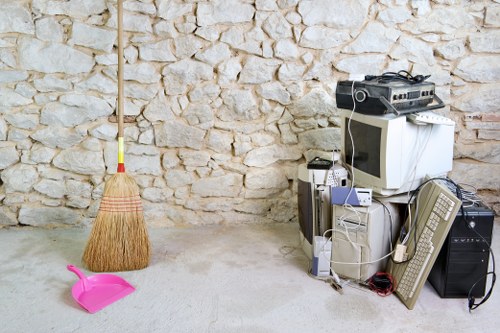
Although the main focus here is commercial waste, many business customers also need help with storage areas, lock-ups and inherited contents from properties connected to trading activity. Loft and garage clearances can involve mixed items that have built up over time, such as broken furniture, obsolete stock, archived materials and general rubbish. These spaces are often awkward to sort out because access is tight and the contents are usually varied rather than uniform.
Loft clearance is relevant where waste is stored above the main working area or in a top-floor space that is difficult to clear without an organised removal. Garage clearance suits premises with outbuildings, storage bays or detached spaces that have become repositories for unwanted items. The same principle applies in both cases: identify what is being removed, what is staying and whether anything needs careful handling before collection.
If your site has a broader mixed load, waste removal may be the simplest page to review before you ask for a quotation. For a tighter focus on workplace waste, business waste removal remains the clearest starting point when the goal is to clear commercial rubbish efficiently and keep the premises workable.
Specialist Waste and Responsible Handling
Some items require more careful handling than standard general waste. Fridges, appliances, confidential paper, hazardous materials and heavily contaminated items may need to be separated from ordinary commercial rubbish. These should never be added casually to a mixed load. Instead, they should be identified in advance so the correct removal method can be used and the collection can be arranged around the material type rather than the other way around.
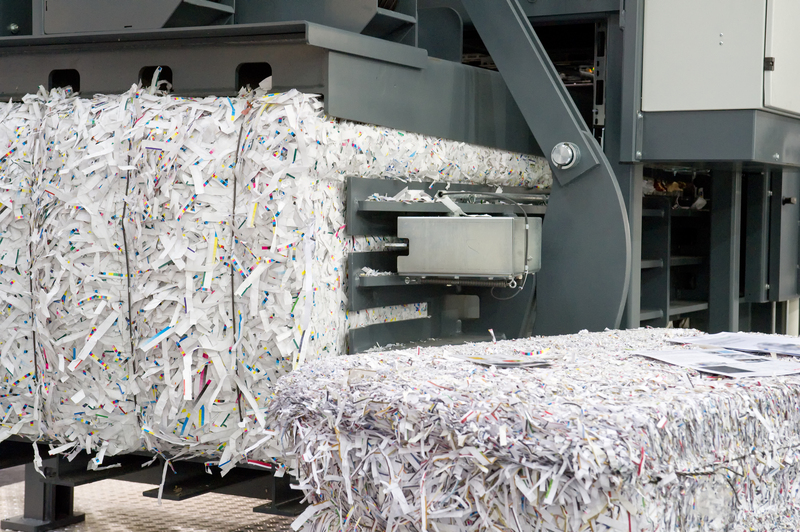
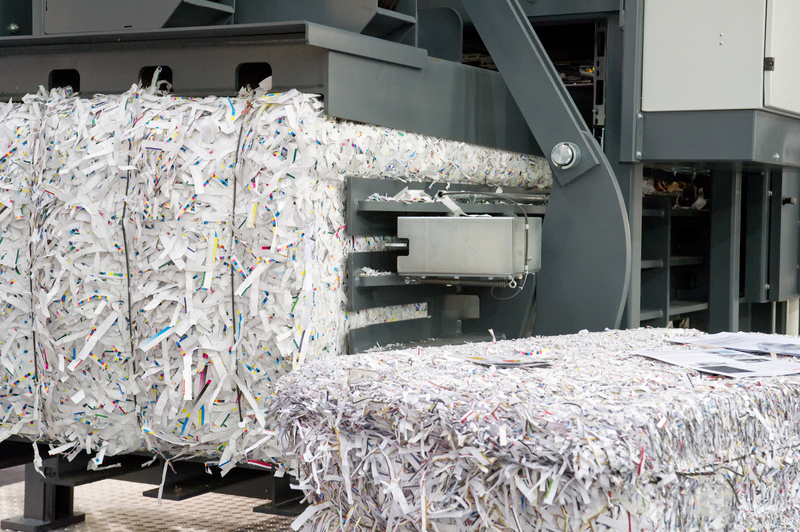
Where a business wants to dispose of specific items, the relevant page should reflect the load accurately. For example, fridge and appliance removal is suited to white goods and similar equipment, while confidential shredding is aimed at sensitive paper disposal. If the waste includes more delicate or restricted materials, hazardous waste disposal may be more appropriate than a standard commercial collection.
Business customers often benefit from thinking in categories before sending an enquiry: ordinary waste, bulky items, confidential material and restricted waste. That simple split helps avoid confusion and means the quotation can match the actual work. If you already know the main load, make that clear first and add the special items afterwards.
Recycling, Reuse and Final Checks
Commercial waste should not be treated as one undifferentiated pile if some of it can be separated for recovery or reuse. Cardboard, paper, metal and certain furniture items may have different handling routes from residual rubbish, depending on condition and material type. The exact approach depends on the load itself, but a clear description helps support better sorting and more efficient removal. That is one reason it is useful to think about the waste before collection day rather than after it has already been gathered.
For customers who want to know how responsible handling is approached, the recycling and sustainability page explains the general direction of travel for suitable materials. If the work is linked to a building project rather than ordinary business waste, the materials may align more closely with builders waste clearance, especially when the load includes rubble, packaging and stripped-out fittings.
Before you request a quotation, a short checklist can be helpful: note the item types, identify any access limits, decide what is staying and mention any special disposal requirements. From there, a simple enquiry is usually enough to move forward. Request a quotation when you are ready and the team can assess the details for the right collection.